Optical Phenomena
Primary Rainbow
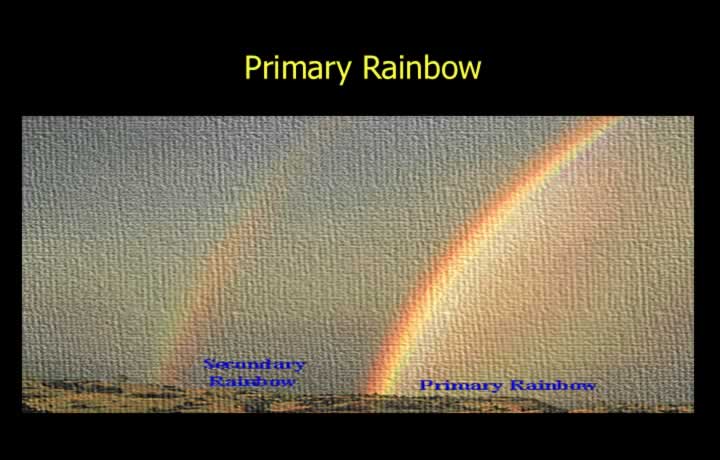
- A primary rainbow is a group of coloured concentric arcs of a circle with a radius of 42°.
- The colours range from violet on the inner edge to red on the outer edge.
- Rainbows form due to the scattering of sunlight as it passes through water droplets.
- A complete circular rainbow can be viewed from an aircraft or from high mountains.
Halo
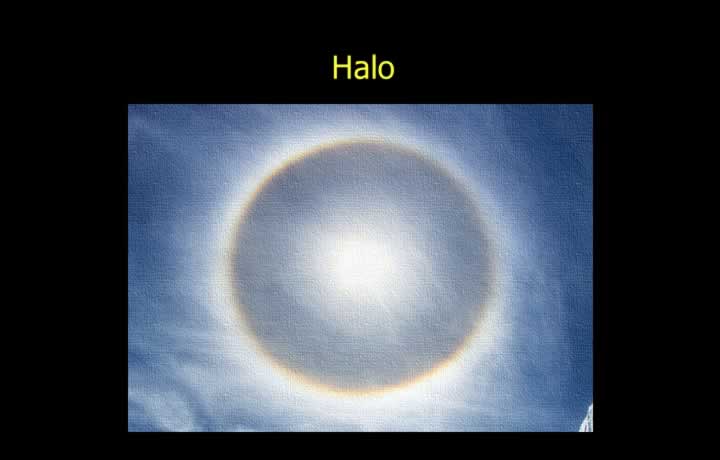
- A halo is a circle of white light with a slight red tint on its outer edge, seen around the Sun or Moon through Cirrostratus (CS) clouds.
- Halos form due to the predominance of ice crystals in the cloud.
- A small halo has a radius of 22°, while a large halo has a radius of approximately 46°.
Corona
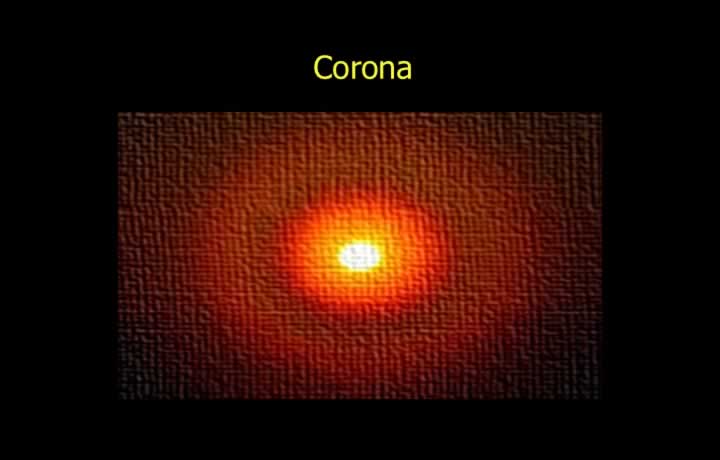
- A corona consists of coloured rings with a radius of about 5° around the Sun or Moon.
- It forms due to the diffraction of light, commonly when viewed through fog or thin clouds.
Mirage
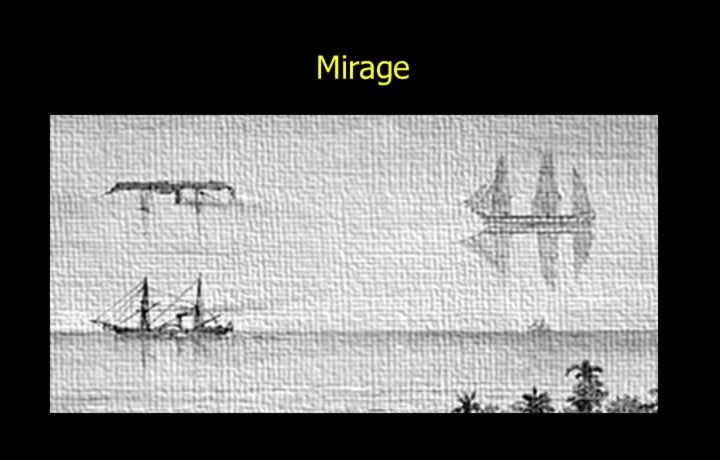
- A mirage is caused by the refraction of light passing through layers of air with different densities due to temperature differences between the surface and upper air.
- Lower (Inferior) Mirage: Commonly observed over hot roads, soil, or water surfaces.
- Upper (Superior) Mirage: Seen over snow-covered land or cold sea surfaces.
Bishop’s Ring
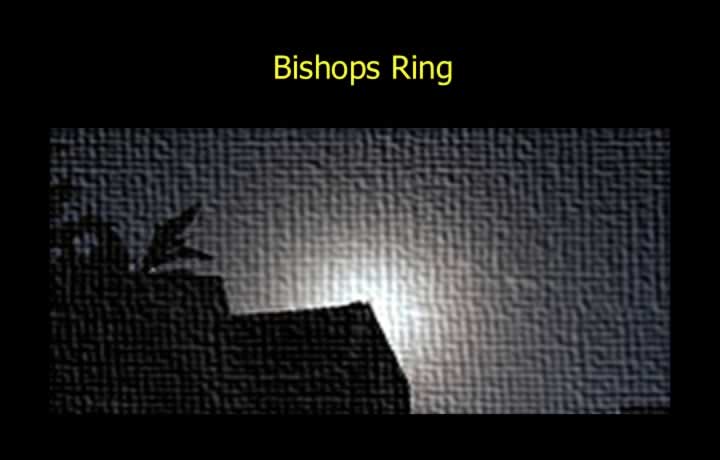
- Bishop’s Ring is a white ring with a radius of approximately 22° around the Sun or Moon.
- It is produced by the diffraction of light through suspended dust particles.
Twilight Colours
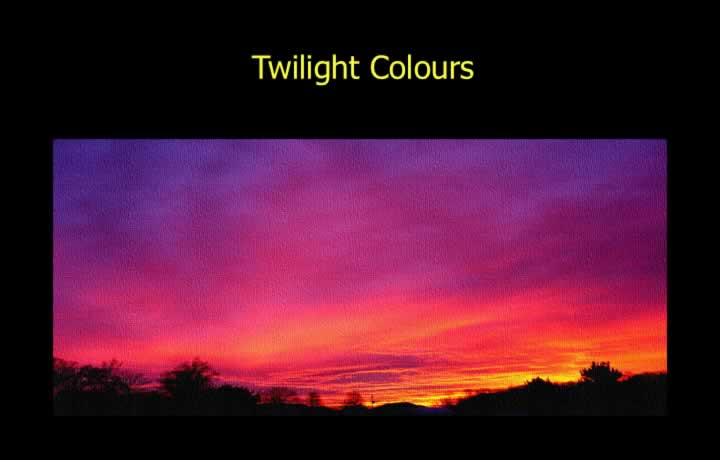
- Twilight colours appear during sunrise and sunset due to the refraction and scattering of sunlight.
Irisation
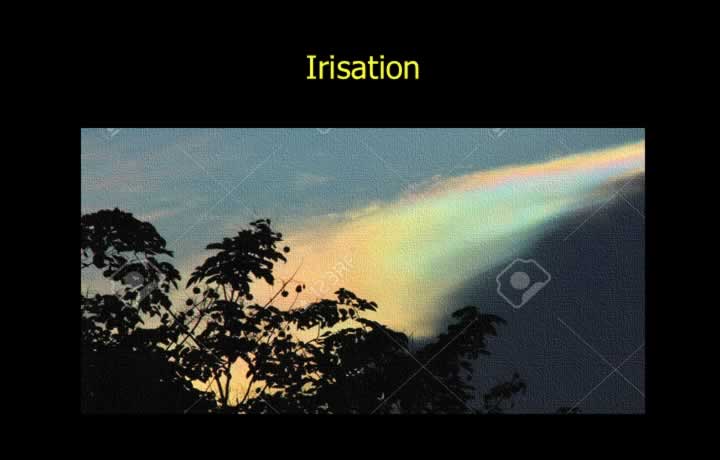
- Irisation is the appearance of predominantly pink or pastel-coloured light around clouds due to the diffraction of light.
Glory
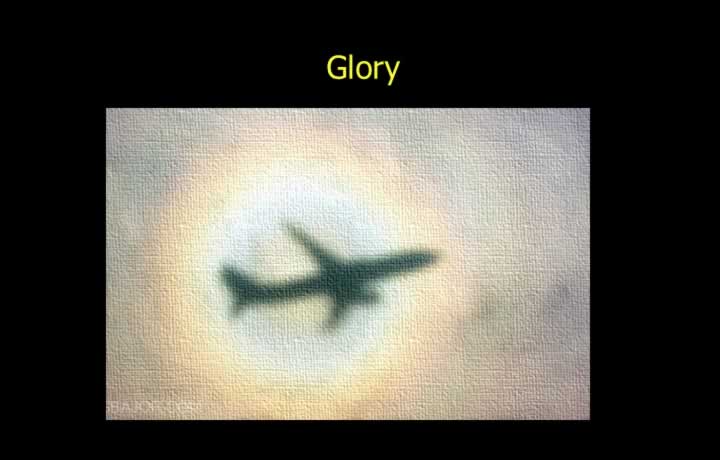
- A glory consists of coloured rings surrounding the observer’s own shadow projected onto clouds or fog.
- It forms due to the diffraction and backscattering of light.
Crepuscular Rays
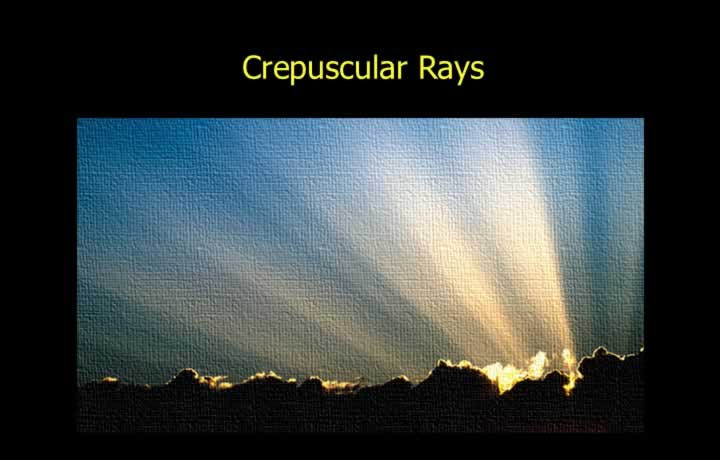
- Crepuscular rays are dark blue or bright streaks of sunlight radiating from the Sun due to shadows cast by clouds below the horizon.
Aurora
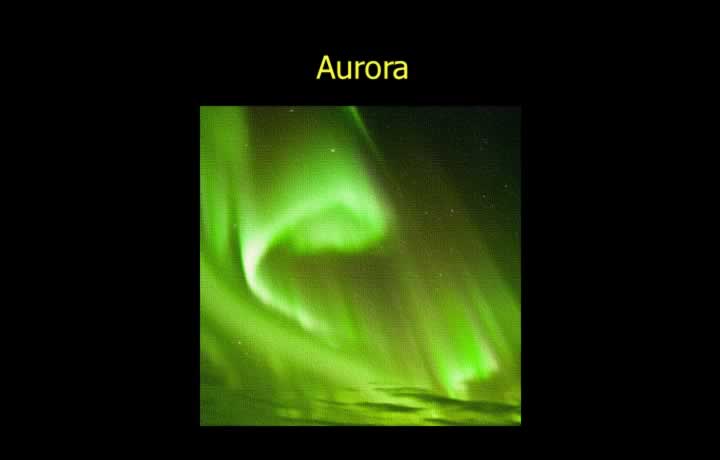
- An aurora is the visible emission of light in the upper atmosphere at altitudes between 70 km and 1000 km.
- It is produced by electrically charged particles interacting with gases in the ionosphere, creating a magnetic storm.
Northern Lights
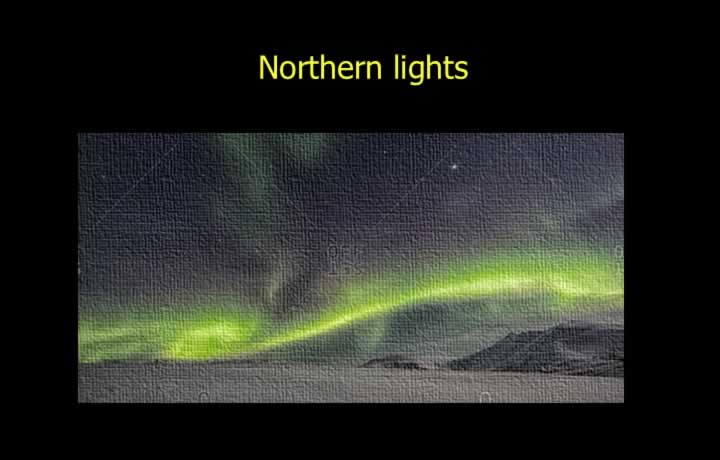
- Aurora Borealis, or Northern Lights, is observed in the Northern Hemisphere near the North Pole.
Southern Lights
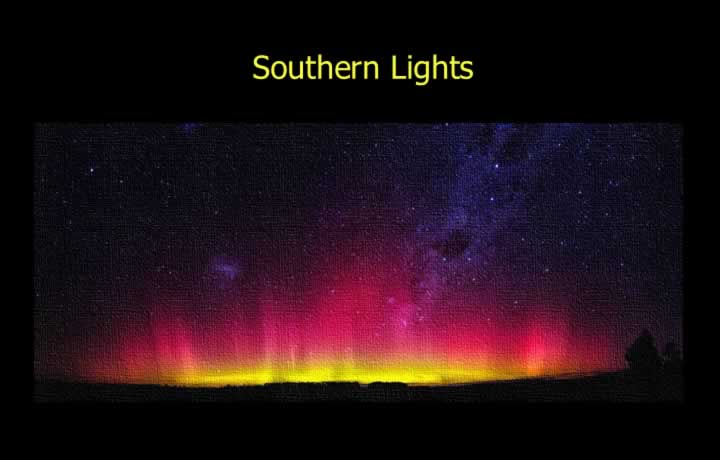
- Aurora Australis, or Southern Lights, is observed in the Southern Hemisphere near the South Pole.
Lightning
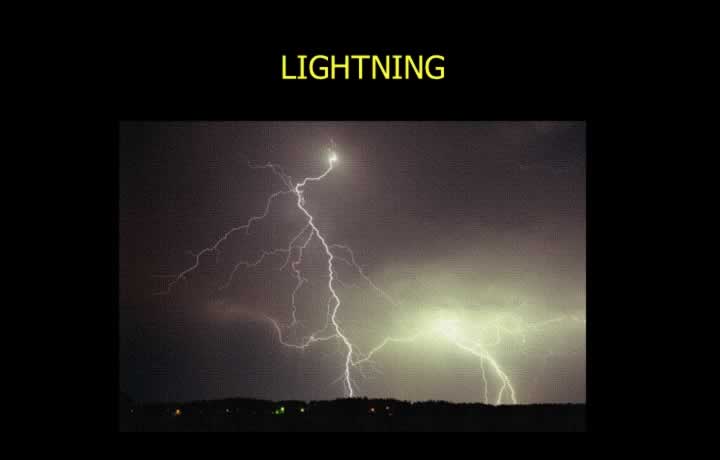
- Lightning is a discharge of negatively charged electrical particles from clouds toward the Earth, with extremely high electrical potential.
- Lightning is associated with active thunderstorms.
Ball, Sheet and Air Lightning
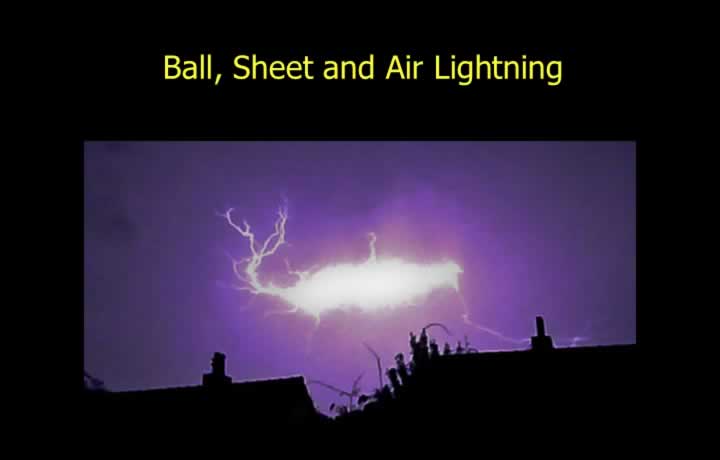
- Ball Lightning: Cloud-to-ground electrical discharge.
- Sheet Lightning: Electrical discharge occurring within the same cloud.
- Air Lightning: Electrical discharge from a cloud into the surrounding air.
St. Elmo’s Fire
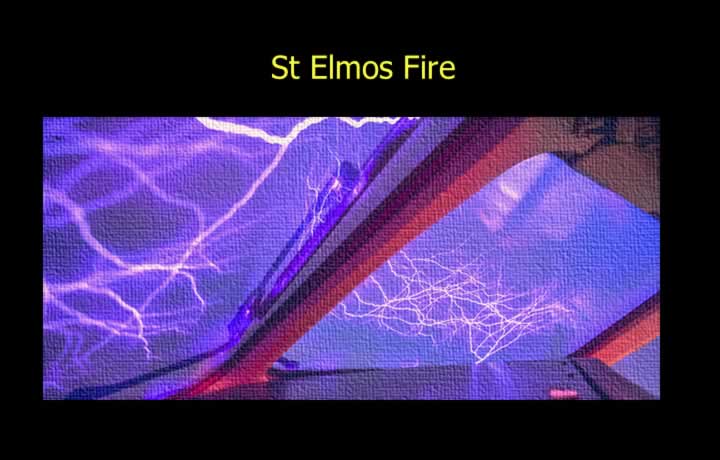
- St. Elmo’s Fire is a blue or green electrical discharge seen on an aircraft windscreen or other pointed objects while flying near Cumulonimbus (CB) clouds.
- It is commonly accompanied by a crackling or buzzing sound.