Errors and Remedial Actions for Pressure Altimeter
The main altimeter errors are instrument error, position error, and pressure/temperature error, which can cause incorrect altitude readings. These errors occur due to instrument imperfections, airflow effects, and changes in atmospheric conditions.
Position and Instrument Errors in Altimeter
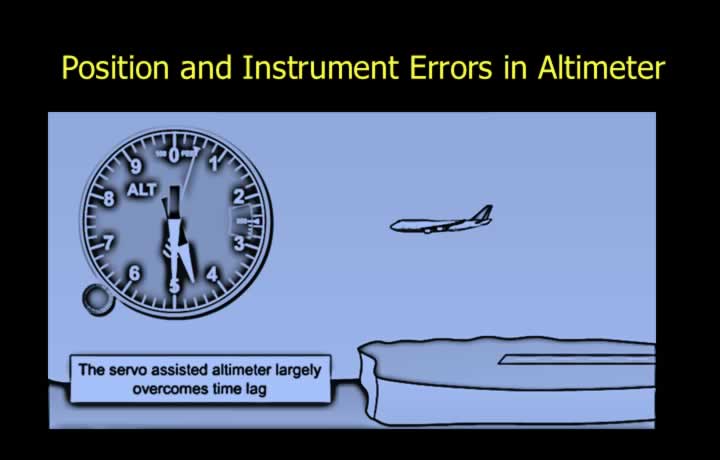
- Position or Pressure error is caused due to location of pitot head.
- Instrument error is caused due to mechanical imperfections.
- Position and instrument errors are corrected on the ground.
- Residual errors are listed on a correction card.
Manoeuvre and Time Lag Errors in Altimeter
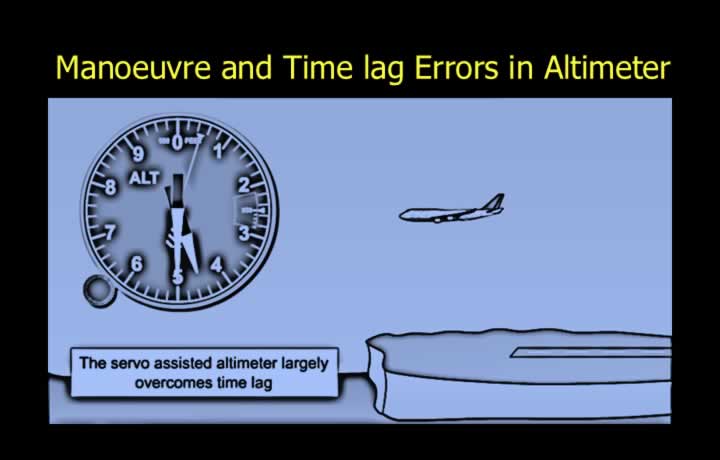
- Manoeuvre-induced error causes temporary fluctuations in attitude indications.
- Time lag error is caused due to the sluggish response of the capsule to pressure changes.
- Servo-assisted altimeter avoids time lag error.
Barometric Error
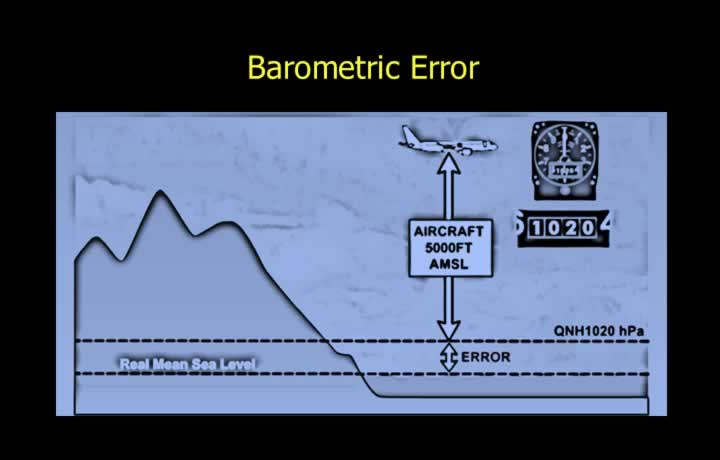
- Barometric error is caused due to changes in Mean Sea Level (MSL) pressure.
Effect of Variation of Pressure and Temperature on Altimeter
Effect of Incorrect QNH Setting
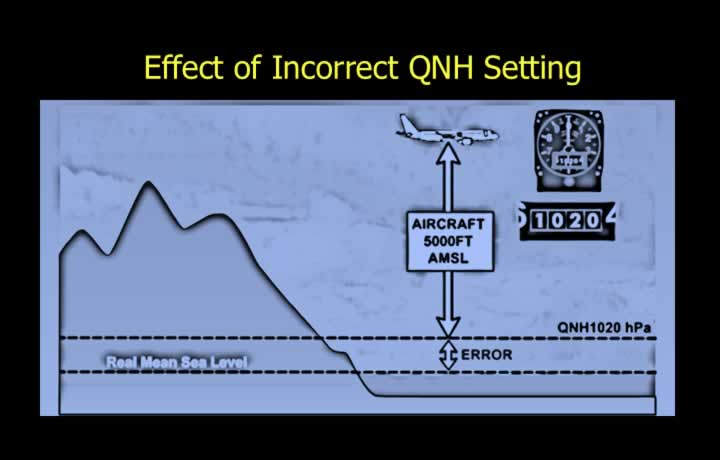
- If an incorrect QNH is set in the sub-scale, the indicated altitude will differ from the actual altitude.
- If the sea level pressure decreases, the set datum becomes lower than MSL.
- The altimeter will over-read.
- If the sea level pressure increases, the set datum becomes higher than MSL.
- The altimeter will under-read.
Flight from High to Low Pressure Area
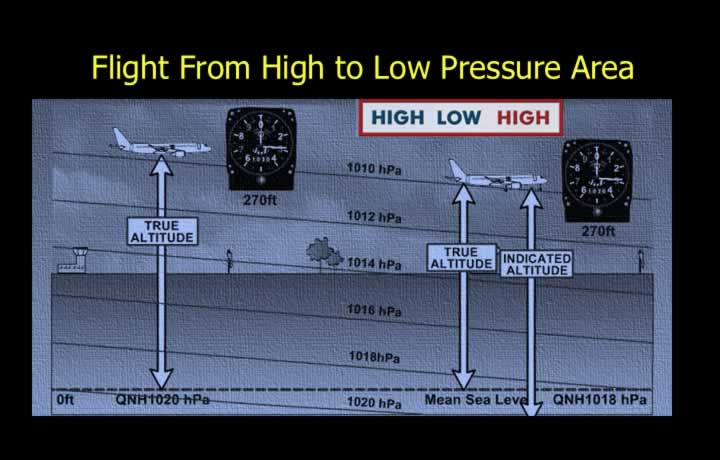
- During a flight from a high-pressure area to a low-pressure area, the indicated altitude will be higher than the true altitude.
- True altitude is lower than that indicated by the altimeter.
- The altimeter over-reads, reducing terrain clearance, which is potentially dangerous.
Flight from Low to High Pressure Area
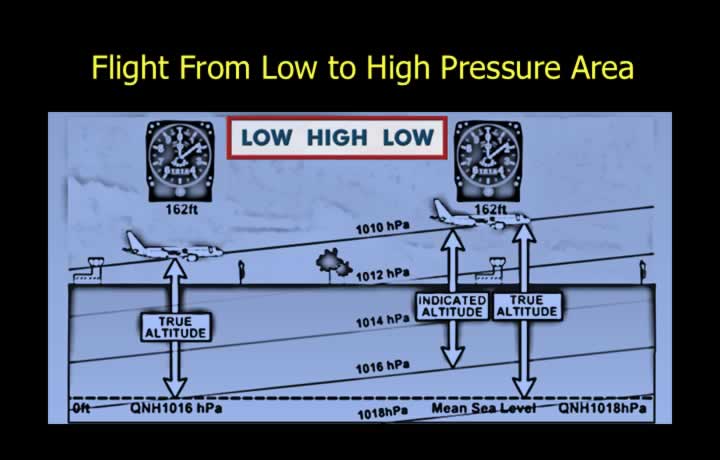
- During a flight from a low-pressure area to a high-pressure area, the indicated altitude will be lower than the true altitude.
- True altitude is higher than that indicated by the altimeter.
- The altimeter under-reads, increasing terrain clearance.
- This is generally less dangerous from a terrain clearance point of view.
Temperature Error – Cold Air
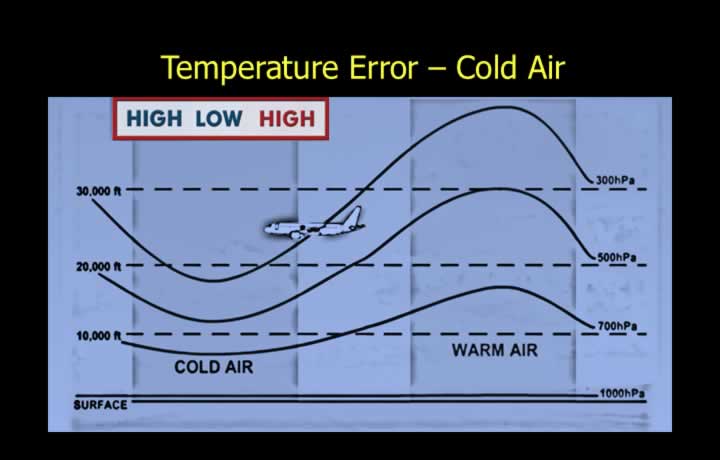
- Consider a flight between two places with the same Mean Sea Level pressure.
- Colder air has a higher lapse rate.
- At a particular altitude, the observed pressure is lower.
- The indicated altitude will be higher than the true altitude.
- The altimeter over-reads during a flight from a warmer region to a colder region.
Temperature Error – Warm Air
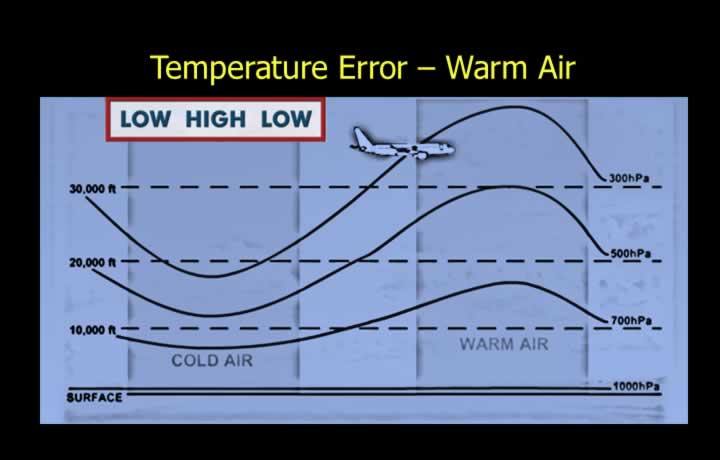
- Consider a flight between two places with the same Mean Sea Level pressure.
- Warmer air has a lower lapse rate.
- At a particular altitude, the observed pressure is higher.
- The indicated altitude will be lower than the true altitude.
- The altimeter under-reads during a flight from a colder region to a warmer region.
Regional QNH
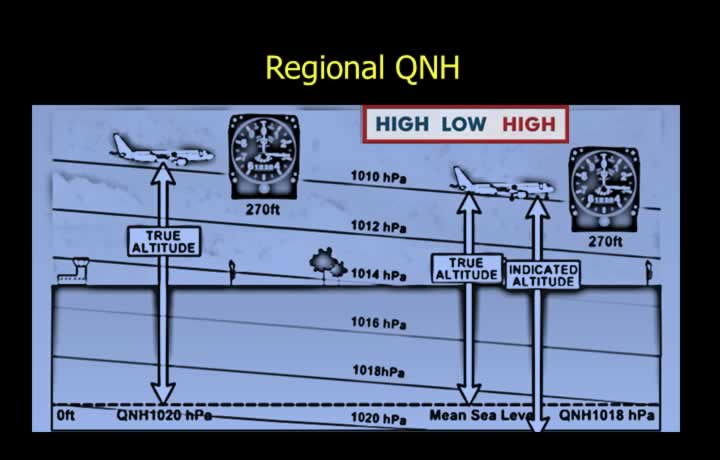
- Regional QNH is the lowest forecast QNH within an Altimeter Setting Region.
- Issued every hour for use while flying close to the ground.
- Ensures minimum terrain clearance.
Temperature Variation from ISA Temperature
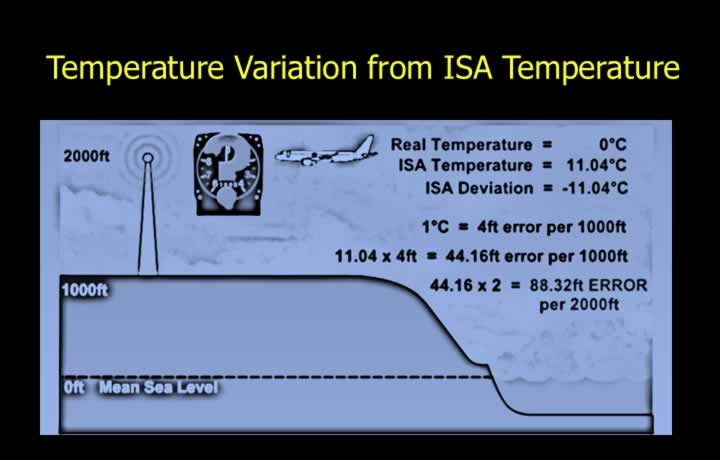
- Effect of temperature variation from ISA:
- For every 1°C colder than ISA, the altimeter over-reads by 4 ft per 1,000 ft.
- For every 1°C warmer than ISA, the altimeter under-reads by 4 ft per 1,000 ft.
Effect of Pressure and Temperature
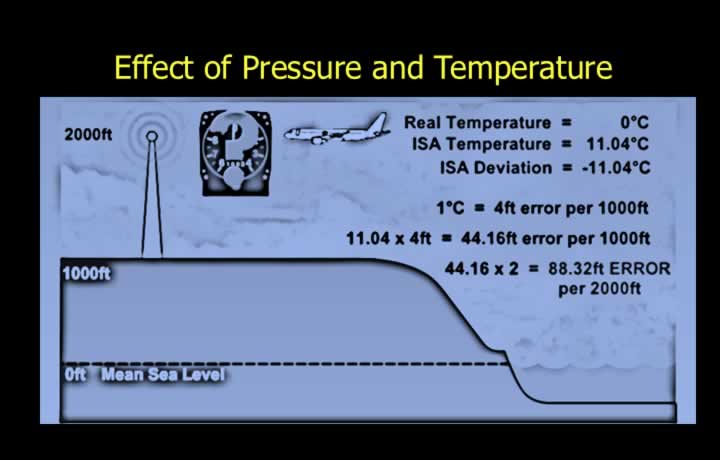
- For both pressure and temperature:
- High to Low → Altimeter Over-reads
- Low to High → Altimeter Under-reads
Alticor
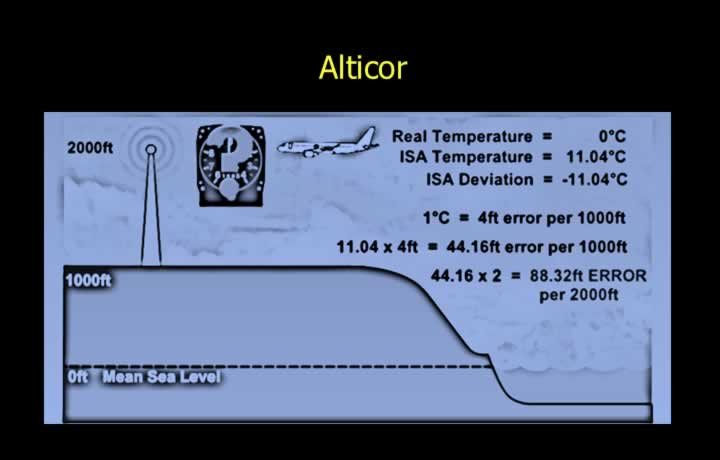
- Alticor = Indicated Altitude − True Altitude.
- Add 30 ft for every 1 hPa higher than Mean Sea Level pressure.
- Add 1% of the indicated altitude for ISA +3°C conditions.
- D-value = True Altitude − Indicated Altitude.
Effect of Blockage and Leaks on Altimeters
Blockage of Static Vent
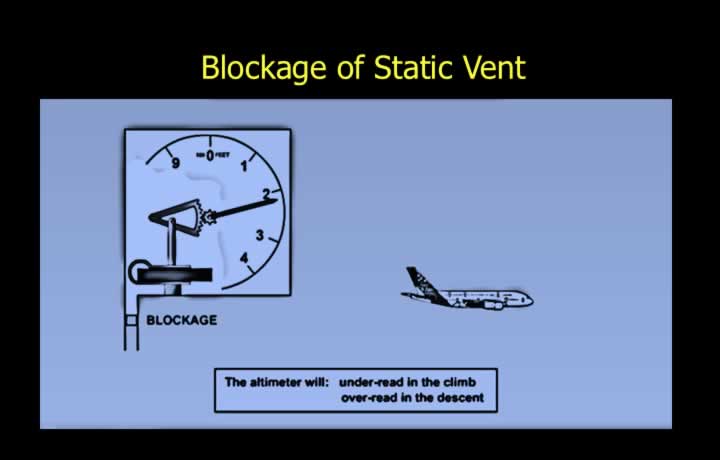
- A blocked static vent causes the altimeter to indicate the altitude at which the blockage occurred.
- It will under-read during climb.
- It will over-read during descent.
Leak in Static Vent
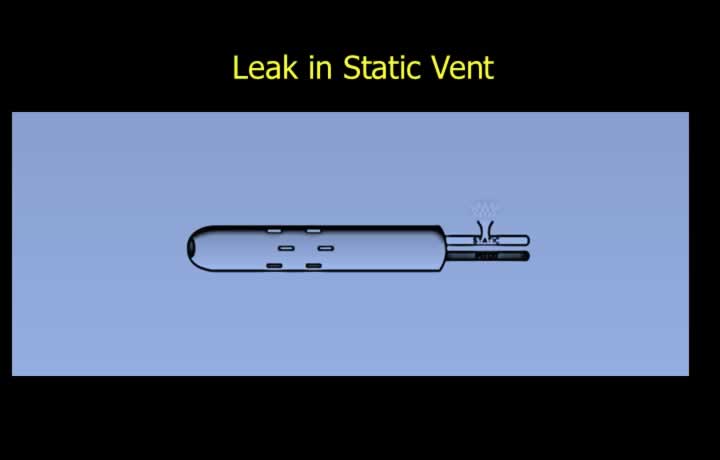
- Leakage in the static line outside the pressurised compartment causes no significant problem; the altimeter indicates correctly.
- A leak in the static line inside the pressurised compartment causes the altimeter to indicate cabin altitude instead of actual altitude.
Error Summary
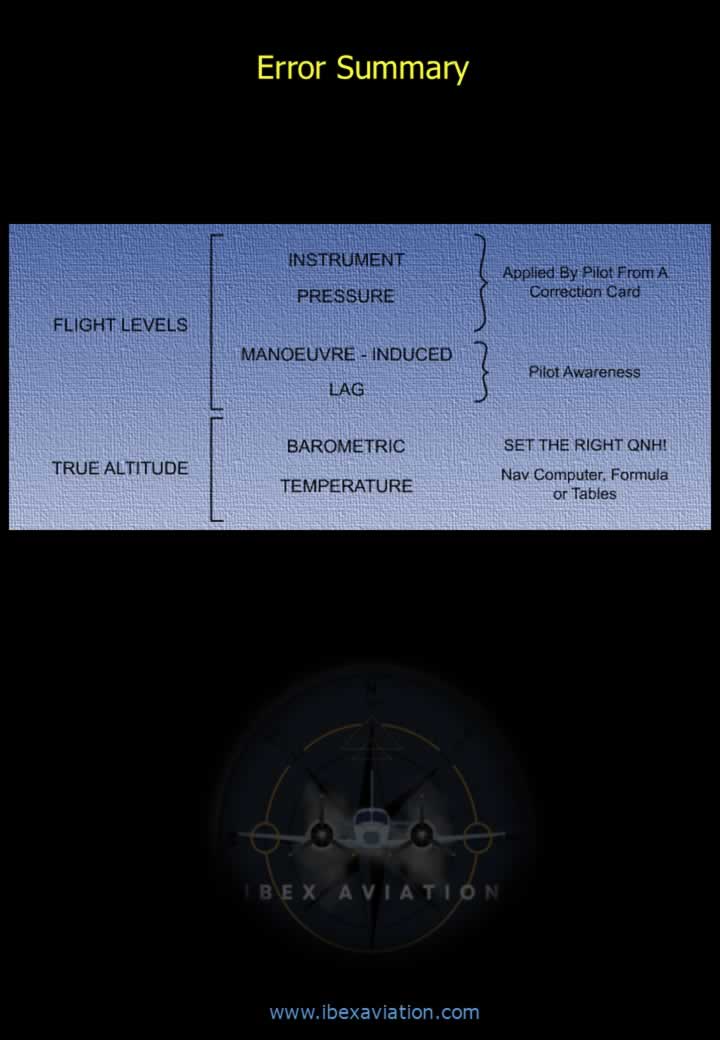
Remember:
- High to Low Pressure → Altimeter Over-reads
- Low to High Pressure → Altimeter Under-reads
- Warm to Cold → Altimeter Over-reads
- Cold to Warm → Altimeter Under-reads