
Future Air Navigation System (FANS)
Future Air Navigation System (FANS) is a modern aviation system that uses satellite-based navigation and digital communication to improve air traffic management. It enables accurate navigation, automatic position reporting, and pilot-controller data link communication. FANS enhances flight safety, efficiency, and fuel economy, especially on oceanic and remote routes.
Global Navigation Satellite Systems (GNSS)
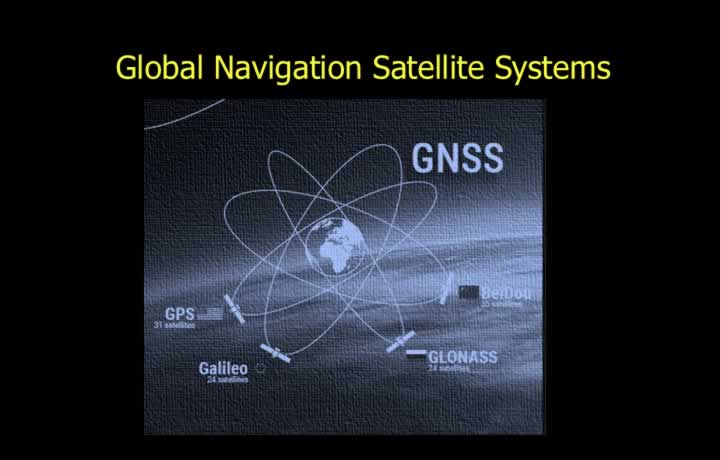
- The Future Air Navigation System (FANS A1) integrates communication, navigation, and surveillance functions.
- It provides improved control and communication over remote regions such as oceans and polar areas.
- GNSS combined with data link technology enables efficient air-ground communication.
Automatic Dependent Surveillance (ADS)
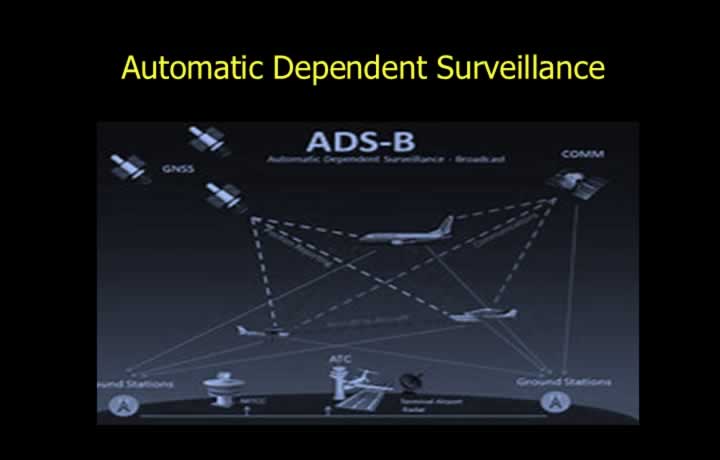
- Automatic Dependent Surveillance automatically transmits aircraft position and flight data.
- Air Traffic Services (ATS) units receive this information via VHF and UHF communication systems.
FANS-B2
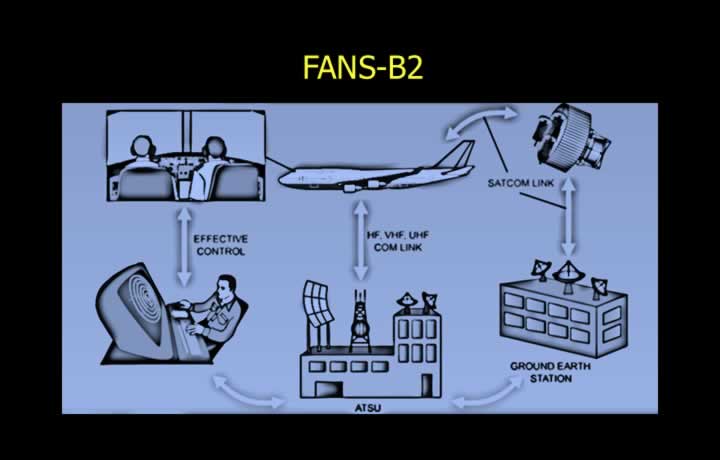
- FANS-B2 is an enhanced version of the original FANS system.
- It provides a unique digital address for each aircraft for improved identification and tracking.
Controller–Pilot Data Link Communications (CPDLC)
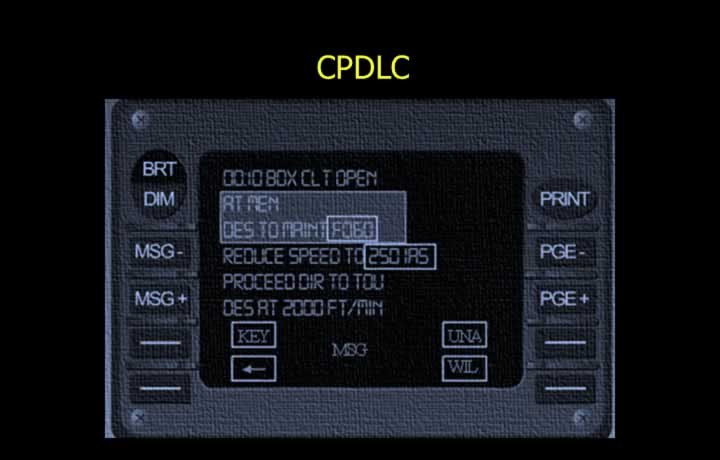
- CPDLC enables standardised digital communication between pilots and air traffic controllers.
- Messages follow a fixed and predefined format.
- Messages may be initiated by either pilots or air traffic controllers.
- CPDLC is used across multiple flight phases including:
- Pre-departure
- Taxi
- Take-off
- Climb
- En-route
- Descent
- Landing
- CPDLC also supports voice contact requests and emergency communications.
ATS Facilities Notification (AFN)
- ATS Facilities Notification confirms successful log-on to a CPDLC-equipped airspace region.
- It is part of the Digital Aeronautical Telecommunications Network (ATN).
- AFN ensures proper air-to-ground communication sequencing.
- It is required in two situations:
- During system startup in a CPDLC-equipped route.
- When entering a CPDLC operational airspace region.