Airborne Collision Avoidance System Introduction to ACAS Airborne collision avoidance system is called Traffic collision avoidance system TCAS II is mandatory for all commercial aircraft with 19 passengers or more TCAS II detects, assesses and warns of collision risk Warnings consist of Traffic and Resolution Advisories Traffic Advisories provide proximity traffic information only. Resolution Advisories offer maneuvering advice in the vertical plane. Principle of ACAS ACAS works on the principle of secondary radar in air to air mode Minimum requirement for ACAS are Mode A SSR transponders Frequencies used is…
Ground Proximity Warning System (GPWS)
Ground Proximity Warning System Introduction to GPWS Ground proximity warning system prevents controlled flight into terrain Warns of proximity to the terrain which are potential threats to safety Operates in height band 50 to 2450 feet, which is same as radio altimeter Automatic selection of operation mode based on flight profile Radio altimeter, Mach meter, ADC and Glidepath provide inputs Undercarriage, Flaps and Navigation systems also provide inputs Stages of GPWS Warnings GPWS warnings fall under two categories Alert is a caution which means advisory instructions. Warnings are commands which…
Warning Systems
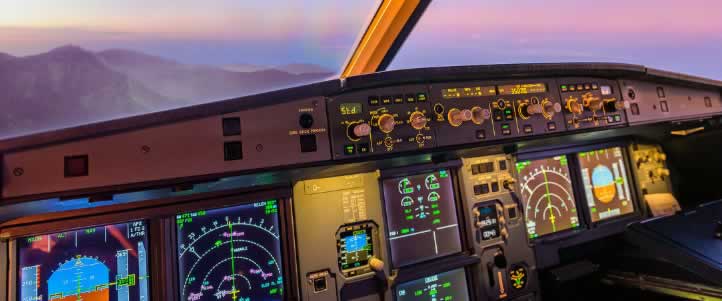
Warning Systems Visual Warning Systems Warning systems gets inputs from GPWS, TCAS, Engine and Aircraft systems Alerts the crew to danger levels in the order of their priority Level A are red lights and require immediate attention Level B are amber lights requiring crew alertness and possible action Level C are in other colours requiring crew alertness without any action Types of Visual Warning Systems Warnings are displayed as warning flags or danger lights Electronic Flight Information System may display warnings as symbols Master warning lights are attention getters which…